 |
 |
 |
 |
 |
 |
 |
 |
 |
 |
 |
 |
 |
 |
 |
 |
 |
 |
 |
 |
 |
 |
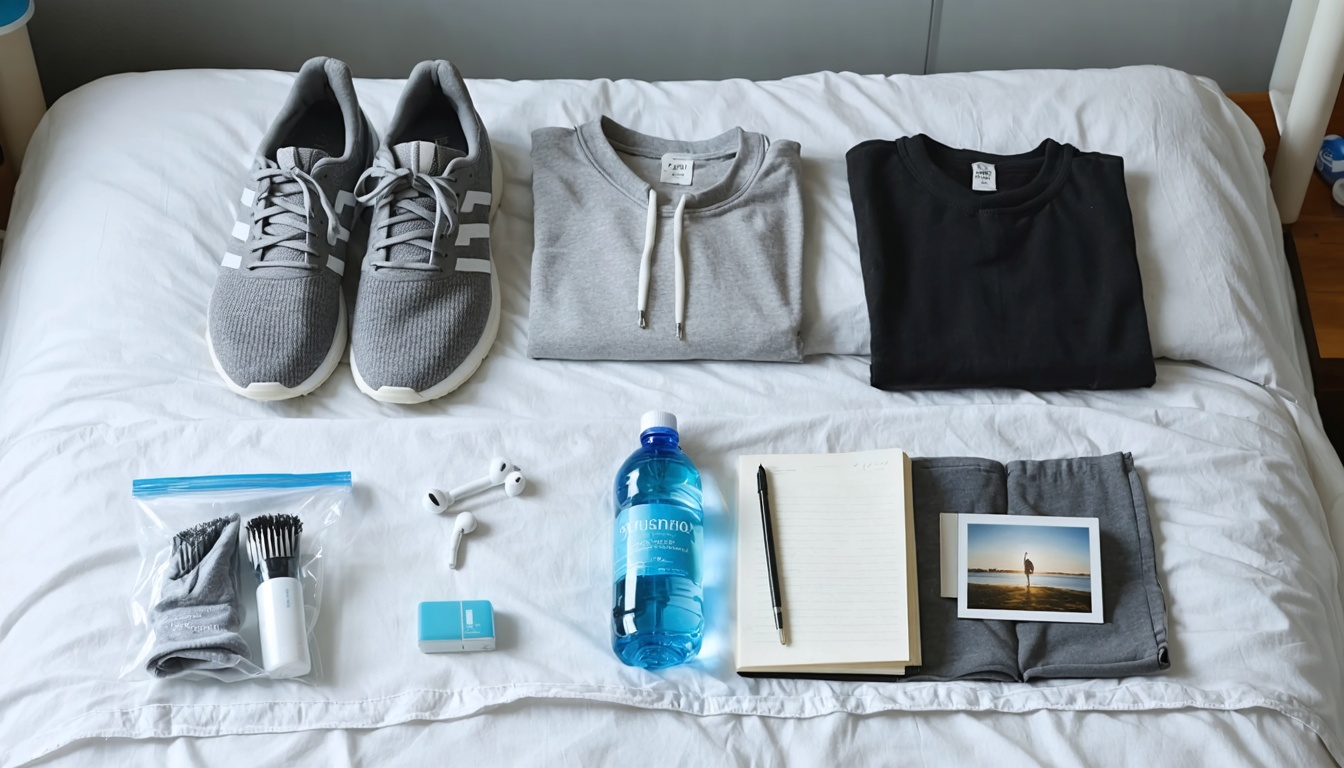 What to Bring to Inpatient RehabWhen you’re preparing for inpatient rehab, deciding what to pack can feel overwhelming. You’ll want to balance comfort with practicality and make sure you have everything you need for your stay. The right mix of personal items, documents, and a few comforts from home can set you up for a smoother experience. But before you start filling your bag, it’s crucial to know which essentials truly matter—and what’s better left behind. Essential Documents and Financial InformationPrior to commencing your inpatient rehabilitation stay, it is essential to compile specific documents and financial information required for both admission and ongoing care. Ensure you have your identification, insurance details, and relevant medical records available to facilitate the coordination of your treatment for substance use or alcohol dependence. It is also advisable to create a list of key contacts and any necessary financial documents needed to navigate the admissions process, settle service payments, and access available resources. This is pertinent regardless of your location, whether in Maryland, Rhode Island, New York, or elsewhere in the western U.S. To safeguard against potential complications, consider keeping backup copies of these documents in your luggage. If you have any inquiries or require assistance, the Resource Center, Blog, or direct contact options are available. For more information about treatment programs and resources, visit https://renodrugrehabcenters.com/. Familiarizing yourself with these requirements prior to starting any treatment program can contribute to a more organized and efficient admissions experience. Personal Hygiene and ToiletriesWhen preparing for your inpatient rehabilitation stay, it is essential to pack personal hygiene products that align with both your individual needs and the specific regulations of the facility. Commonly recommended hygiene items include a toothbrush, toothpaste, shampoo, soap, deodorant, and feminine hygiene products; these items are best brought in new and unopened condition. Additionally, consider packing essential grooming items such as a hairbrush and denture care products, as these contribute to overall health during the recovery process. It is advisable to check the facility’s Resource Center or Blog for specific guidelines regarding acceptable hygiene products. If you have any further inquiries or require additional assistance, you can reach out to the facility directly or consult the Frequently Asked Questions section for more detailed information. This preparation can support your health during treatment and enhance your overall experience in the rehabilitation program. Recommended ClothingChoosing appropriate clothing for an inpatient rehabilitation stay is crucial for maintaining comfort and ensuring safety during the recovery process. Patients participating in treatment programs, particularly for substance abuse, should prioritize items such as T-shirts, sweatpants, and athletic shoes that feature nonskid soles. These items are conducive to both therapy sessions and daily activities. It is generally advised to avoid backless shoes, as they may pose a risk of slipping. Additionally, it is important to pack a sufficient supply of essentials including underwear, pajamas, a robe, and slippers that provide traction. Selecting clothing that is suitable for various weather conditions and activities can facilitate engagement in treatment and support the re-learning of daily living skills. For further guidance or to explore outpatient resources available across states such as Maryland, New York, and Rhode Island, options such as the Resource Center, Menu Find, Contact Us, or Blog can provide additional assistance. This structured approach ensures patients are well-prepared for their rehabilitation experience. Medications and Medical SuppliesTo facilitate safe and efficient care during your inpatient rehabilitation stay, it is essential to bring all prescription medications in their original labeled containers. Additionally, you should prepare a comprehensive list of your current medications, including the names of your prescribers and the corresponding dosages. It is also important to include any necessary medical supplies, which may encompass items such as hearing aids, dentures, or assistive devices. Having backup eyeglasses and relevant prescriptions available can prove beneficial for maintaining your vision needs during your stay. Furthermore, it is advisable to bring medical records that outline any pre-existing health conditions. This information will help care providers better understand your treatment requirements, regardless of your state of origin, whether it be Maryland, Rhode Island, New York, or other regions. If you have any questions or need further information, please visit our Resource Center, Blog, or Menu Find for assistance on various topics, including events and answers to frequently asked questions. Items to Leave at HomeWhen preparing for inpatient rehab, it is crucial to understand the guidelines established by these facilities to ensure the safety and well-being of all patients. It is advisable to refrain from bringing items that could potentially impede the recovery process. This includes alcoholic beverages, illicit drugs, weapons, and medications that have not been prescribed by a healthcare provider. Such items are not only prohibited but also detrimental to both the treatment of addiction and the overall health of individuals in recovery. Furthermore, it is also prudent to avoid bringing valuable possessions, significant amounts of cash, or items that may serve as distractions, including inappropriate clothing, shoes, and electronic devices. Patients should prioritize packing only the essentials that are specified by the rehabilitation program they will be attending. To clarify what is appropriate to bring, individuals are encouraged to consult available resources such as the facility’s resource center, their care providers, the FAQ section, or the "Contact Us" menu. This guidance is applicable across various locations, including Maryland, West Virginia, New York, and Rhode Island. ConclusionBringing the right items to inpatient rehab makes your stay more comfortable and helps you focus on your recovery. Prioritize important documents, essential toiletries, comfortable clothing, and prescribed medications. Add personal comfort items to support your emotional well-being, and plan ahead for communication and finances. Be sure to leave any unnecessary or prohibited items at home. With careful preparation, you'll create a supportive environment for yourself and ease the transition into treatment. |
 |
||||
 |
 |
 |
 |
 |
 |
 |
created by:
megaHEIGHTS Internet & Design
